
Control post-meal blood sugar spikes with rapid-acting and ultra-fast-acting insulin formulations from Novo Nordisk. Engineered to mimic the natural insulin response of a healthy pancreas, both NovoLog and Fiasp deliver targeted glucose management for adults and children with diabetes.
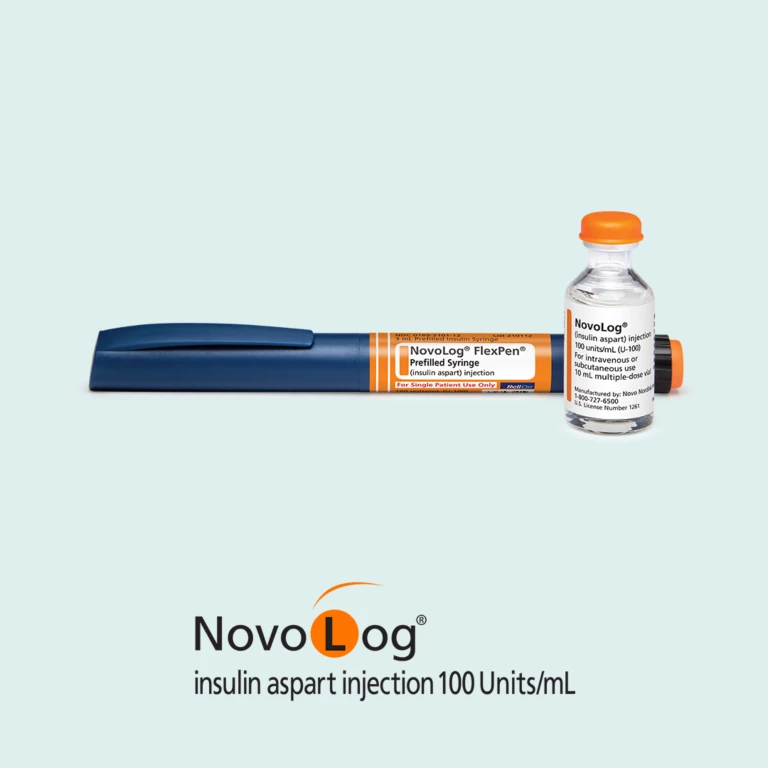
NovoLog® (Insulin Aspart) — Proven Mealtime Control
NovoLog is a trusted, rapid-acting human insulin analog designed to lower blood glucose levels around mealtime.
-
Rapid Onset: Begins working within 10–20 minutes after administration.
-
Peak Performance: Reaches maximum activity between 1 and 3 hours post-injection.
-
Flexible Dosing: Administer 5 to 10 minutes prior to a meal.
-
Versatile Formats: Available in 10 mL vials, 3 mL PenFill® cartridges, and 3 mL prefilled FlexPen® devices.
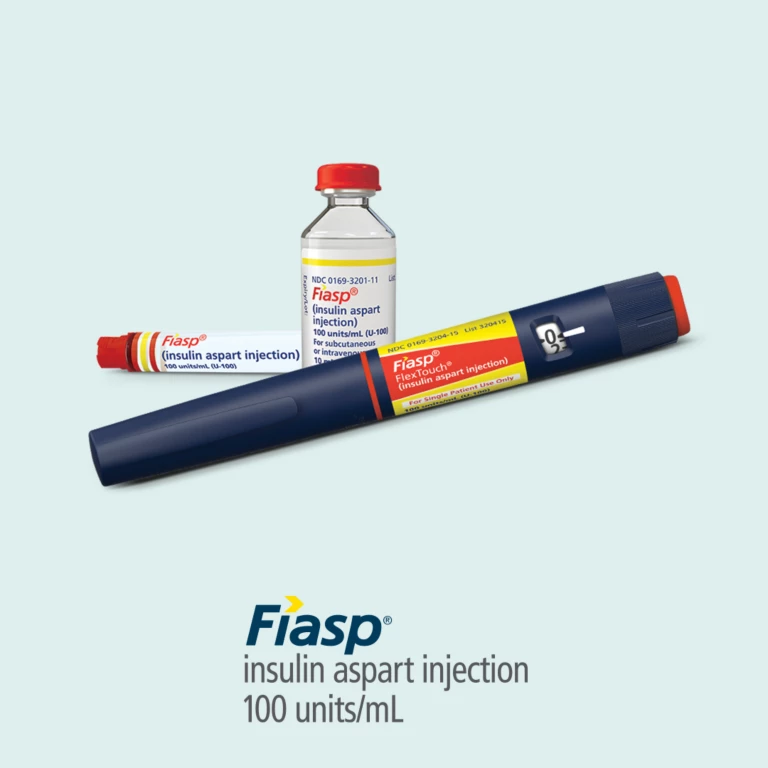
Fiasp® (Insulin Aspart + Niacinamide) — Ultra-Fast Mealtime Control
Fiasp is an ultra-rapid formulation of insulin aspart formulated with niacinamide (Vitamin B3) to speed up initial absorption into the bloodstream.
-
Ultra-Fast Onset: Enters the bloodstream in as little as 4 minutes, with initial action starting in 5–10 minutes.
-
Mealtime Freedom: Take at the start of a meal or up to 20 minutes after beginning to eat.
-
Targeted Spike Management: Delivers a faster initial peak to control post-prandial glucose surges.
-
Multiple Delivery Options: Available in 10 mL vials, 3 mL PenFill® cartridges, and 3 mL prefilled FlexTouch® pens.
Product Specifications
| Feature | NovoLog | Fiasp |
| Active Ingredient | Insulin aspart | Insulin aspart |
| Formulation Additives | Standard buffer | Niacinamide (B3) & L-arginine |
| Dosing Window | 5–10 minutes before eating | At meal start or up to 20 mins post-meal |
| Insulin Pump Approved | Yes (CSII) | Yes (CSII) |
| Prescription Required | Yes (Rx Only) | Yes (Rx Only) |
Storage Instructions: Keep unused vials and pens refrigerated between 36°F–46°F (2°C–8°C). Do not freeze. In-use devices can be stored at room temperature below 86°F (30°C) for up to 28 days.
Important Safety Notice: Prescription required. Require patients to monitor blood glucose levels closely. Hypoglycemia (low blood sugar) is the most common adverse reaction associated with all insulins. Dosing must be individualized under medical supervision.

Reviews
There are no reviews yet.