Your health, Your care. Delivered with confidence.
Prescription fulfillment, pharmacist review, and cold-chain shipping all in one trusted place, weightloss injections/pills and diabetes care. VitalRoute connects you to the care you need, wherever you are.
Select options
This product has multiple variants. The options may be chosen on the product page
By The Numbers
Trusted for real care, not just transactions.
0+
Orders delivered
0+
Happy customers
0+
Licensed pharmacists on staff
0+
Countries served
Customer Reviews
Trusted by people managing their health every day.
4.9
★★★★★
From 131+ verified orders
“
★★★★★
Ordering was simple and the pharmacist actually called to confirm my dosage before shipping that level of care is rare online. My refill arrived cold-packed and on time, every time.
GLP-1 Refill
JM
Jordan M.
Verified buyer · Texas
“
★★★★★
I was nervous about buying diabetes supplies online, but the checkout made prescription verification painless and support answered every question within the hour.
Diabetes Care
PR
Priya R.
Verified buyer · Ontario
“
★★★★★
Fast shipping, discreet packaging, and pricing that actually beat my local pharmacy. Tracking updates kept me informed the whole way and it showed up two days early.
Home Delivery
DA
David A.
Verified buyer · Carlifornia
“
★★★★★
Six months in and every reorder has been effortless. The team followed up proactively about my next refill before I even had to think about it that's the kind of service that keeps me here.
Wellness
SK
Sophia K.
Verified buyer · Florida
Health Library
Plain-language health guides
Practical, easy-to-read articles on using medicines safely and building everyday healthy habits. For education only, and never a replacement for advice from your own clinician.
Most medicine problems are not caused by the medicine itself, but by how it is used: a missed dose, a doubled dose, or an unexpected interaction. A few steady habits make a big difference.
Know your medicines
For each medicine you take, you should be able to answer three questions: what is it for, how much and when do I take it, and what should I watch for? If you cannot answer one of them, ask your pharmacist. That is exactly what we are here for.
Keep one up-to-date list
Include prescription medicines, over-the-counter products, vitamins, and herbal supplements.
Note any allergies or past reactions.
Bring the list to every appointment and share it with each new prescriber or pharmacist.
Build routines that stick
Link doses to daily anchors such as breakfast or brushing your teeth.
Use a weekly pill organizer or phone reminders.
Keep medicines where you will see them, but away from heat, damp, and children.
Avoid common mistakes
Do not double up to make up for a missed dose unless your label or pharmacist says so. Check the leaflet or ask.
Do not stop or change a dose on your own, even if you feel better. Some medicines need to be tapered or continued.
Do not share prescription medicines. What suits one person can harm another.
Check before combining. Some pain relievers, cold remedies, supplements, and even certain foods or alcohol can interact with prescription medicines.
Pharmacist tip: When you start any new medicine, ask: "Is there anything I should avoid while taking this?" It is a quick question that prevents many problems.
Get urgent help if you have trouble breathing, swelling of the face or throat, a spreading rash, or fainting after taking a medicine. Call your local emergency number.
This article is for general education and is not medical advice. Always follow the instructions from your prescriber and the label on your medicine.
Medication Safety
How to read a prescription label
4 min read · Medication Safety
A prescription label packs a lot of information into a small space. Knowing where to look helps you catch mistakes early and take your medicine correctly.
What to find on every label
Your name. Confirm it is yours every time, especially in households where several people receive medicines.
Medicine name and strength. You may see both a brand and a generic name. Strength is usually shown in mg or mcg.
Directions. How much, how often, and how (by mouth, injection, drops, and so on).
Quantity and refills. How much was dispensed and how many refills remain.
Prescriber and pharmacy details. Useful if you have questions or need a refill.
Expiry or discard date. Do not use medicines past this date.
Warning stickers. Examples include "take with food" or "may cause drowsiness". These matter.
Tips for accurate dosing
"Twice daily" and "every 12 hours" can feel different. If unsure, ask which schedule fits your day.
For liquids, use the measuring cup or syringe provided. Kitchen spoons vary a lot in size.
Do not crush or split tablets unless the label or your pharmacist says it is safe. Some are designed to release slowly.
If something looks different: A new color, shape, or strength after a refill can be normal (a different manufacturer), but always ask before taking it.
This article is for general education and is not medical advice. Always follow the instructions from your prescriber and the label on your medicine.
Heart Health
Blood pressure basics: numbers and habits
5 min read · Heart Health
High blood pressure often causes no symptoms, which is why regular checks matter. Over time, it can strain the heart, blood vessels, kidneys, and brain.
What the two numbers mean
A reading such as 120/80 mmHg has two parts. The top number (systolic) is the pressure when your heart beats. The bottom number (diastolic) is the pressure between beats. Many guidelines consider readings that stay at or above about 130/80 mmHg to be raised, but targets differ by person and by guideline. Your clinician will set the right goal for you.
Measuring at home
Rest, seated, for about five minutes with your back supported and feet flat.
Avoid caffeine, exercise, and smoking for 30 minutes beforehand.
Rest your arm at heart level and use a properly sized upper-arm cuff.
Take two readings a minute apart, at about the same time each day, and write them down.
Habits that help
Eat less salt. Choose fresh foods over processed and packaged ones, and eat plenty of vegetables, fruit, and whole grains.
Move regularly. Aim for about 150 minutes of moderate activity per week, if your clinician agrees.
Limit alcohol and avoid tobacco.
Work toward a healthy weight and manage stress and sleep.
If you take blood pressure medicine: Take it as prescribed even when readings look good, and never stop suddenly without speaking to your prescriber.
Seek urgent care if a very high reading comes with chest pain, severe headache, vision changes, weakness, or trouble speaking.
This article is for general education and is not medical advice. Always follow the instructions from your prescriber and the label on your medicine.
Diabetes
Living well with type 2 diabetes
6 min read · Diabetes
In type 2 diabetes, the body does not use insulin well, so sugar builds up in the blood. Day-to-day habits, together with medicines when needed, keep blood sugar in a safer range and protect the eyes, nerves, kidneys, and heart.
Everyday habits
Balance your plate. Fill about half with non-starchy vegetables, a quarter with lean protein, and a quarter with high-fiber carbohydrates.
Cut back on sugary drinks. Water, unsweetened tea, and sparkling water are better choices.
Stay active. Walking after meals and regular movement help your body use insulin better.
Be consistent with medicines and any blood sugar checks your care team recommends.
Regular checks that matter
Besides home readings, ask about the A1C test, which reflects your average blood sugar over the past two to three months. Also schedule routine eye exams, kidney checks, blood pressure and cholesterol reviews, and dental visits.
Look after your feet
Inspect your feet daily for cuts, blisters, redness, or swelling.
Wash and dry them gently, including between the toes, and moisturize the skin.
Wear well-fitting shoes and avoid walking barefoot.
Report any sore that does not heal promptly.
Know the signs of low blood sugar
Shakiness, sweating, hunger, confusion, and a fast heartbeat can signal low blood sugar, which is more likely with some diabetes medicines. Follow the plan your care team gave you for treating a low, and ask your pharmacist whether your medicines carry this risk.
Sick days: Illness can raise blood sugar and affect how some medicines work. Ask your care team in advance what to do on days when you cannot eat or drink normally.
This article is for general education and is not medical advice. Always follow the instructions from your prescriber and the label on your medicine.
Weight Management
Weight-loss medications: what to know first
6 min read · Weight Management
Prescription weight-management medicines, including injectable options that act on gut hormones (often called GLP-1 medicines), can help some adults. They work best as part of a broader plan that includes nutrition, physical activity, sleep, and ongoing follow-up with a clinician.
They are not for everyone
Whether a medicine is appropriate depends on your health history, other medicines, pregnancy plans, and goals. A prescriber needs to assess you first. Never use a medicine prescribed for someone else.
Common side effects
Nausea, vomiting, diarrhea, or constipation, especially when starting or changing a dose.
Feeling full quickly, reduced appetite, or heartburn.
Eating smaller meals, avoiding very fatty or greasy foods, and drinking enough fluids often helps. Tell your prescriber or pharmacist if symptoms are strong or persistent.
Seek medical care promptly for severe or persistent abdominal pain (with or without vomiting), signs of dehydration, or yellowing of the skin or eyes. Get emergency help for an allergic reaction.
Storage and handling
Many injectable products must be kept refrigerated before first use and have specific rules afterward. Always follow the label and the patient leaflet. Never share pens or needles, and dispose of used needles in a sharps container.
Source medicines safely
Buy only from a licensed pharmacy that requires a valid prescription.
Be cautious of "research" products, unusually low prices, or sellers with no pharmacist contact. Counterfeit and incorrectly dosed products are a real risk.
Check that packaging, labels, and your name match what you expected to receive.
Plan for the long term: Ask your prescriber what monitoring to expect, how long treatment may last, and what supports (such as nutrition or activity guidance) fit your life.
This article is for general education and is not medical advice. Always follow the instructions from your prescriber and the label on your medicine.
Medication Safety
Storing medicines safely at home
4 min read · Medication Safety
Heat, light, and moisture can reduce how well some medicines work, and easy access can put children and pets at risk. Good storage takes only a few minutes to set up.
Where to keep them
Cool, dry, and out of direct sunlight. A bedroom drawer or high cabinet is usually better than a steamy bathroom or a hot kitchen shelf.
Out of reach and sight of children. Use child-resistant caps properly, and keep medicines locked up if possible.
In the original container with the label attached, so you always know what it is and how to take it.
Medicines that need the fridge
Some products, such as certain injectables, insulin, and eye drops, need refrigeration. Follow the label exactly: some must never be frozen, and some can be kept at room temperature for a limited time once opened.
When your order arrives
Bring the package inside promptly and do not leave it in a hot car or on a sunny porch.
If your medicine is temperature-sensitive, unpack and refrigerate it right away as directed.
If the packaging is damaged or the item felt unusually hot or warm, contact the pharmacy before using it.
Expired or unused medicines
Check dates regularly. For disposal, ask your pharmacist about take-back programs. Do not flush medicines unless the label specifically tells you to. If no take-back option exists, follow local guidance for household disposal.
This article is for general education and is not medical advice. Always follow the instructions from your prescriber and the label on your medicine.
Medication Safety
Antibiotics: when they help and when they don't
4 min read · Medication Safety
Antibiotics are powerful medicines, but only against bacterial infections. They do nothing for viruses such as the common cold, most sore throats, and flu.
Why correct use matters
Each unnecessary or incorrect use gives bacteria a chance to adapt. This is called antibiotic resistance, and it makes future infections harder to treat, for you and for others.
If you are prescribed an antibiotic
Take it exactly as directed: the right dose, at the right times, for the length of time your prescriber specified.
Ask your prescriber what to do if you start feeling better before the course ends, since advice can vary by infection.
Do not save leftovers for later or share them with others.
Tell your prescriber about any allergies and the other medicines you take.
Side effects to know about
Upset stomach, loose stools, and yeast infections are relatively common. Call your pharmacist or prescriber if symptoms are bothersome or severe diarrhea develops.
Get emergency help for hives, swelling of the face or throat, or trouble breathing after taking an antibiotic.
Helping prevent infections
Wash your hands often, stay up to date with recommended vaccines, and stay home when you are unwell, so fewer people ever need antibiotics.
This article is for general education and is not medical advice. Always follow the instructions from your prescriber and the label on your medicine.
Have a question about your medicines?
Our licensed pharmacy team is happy to help. Reach out any time.
Everything you need to know about ordering, shipping, and safety at VitalRoute Pharmacy and if it's not here, our team is one message away.
Prescription-only medications require a valid prescription from a licensed provider before we can dispense them. You can upload it during checkout, or our pharmacy team can request it directly from your prescriber on your behalf. Over-the-counter wellness and device products don't require one.
At checkout, select "Upload prescription" and attach a clear photo or PDF. You can also email it to our pharmacy team once your order is placed. Every prescription is reviewed by a licensed pharmacist before your order ships.
Yes, sign in to your account and select "Reorder" on any past prescription order. If refills remain on file with your prescriber, we'll process it right away; otherwise we'll reach out to them for authorization first.
Most orders ship within 1–2 business days of approval. Domestic delivery typically takes 3–5 business days; international delivery varies by destination. You'll receive tracking details by email as soon as your order leaves our pharmacy.
Yes, VitalRoute ships to a wide range of international destinations. Available countries, customs requirements, and delivery windows are shown at checkout once you enter your shipping address.
Once your order ships, you'll get a tracking link by email and SMS (if opted in). You can also view live status anytime from the "My Orders" section of your account.
We accept all major debit and credit cards, along with select digital wallets at checkout. All payments are processed over an encrypted, PCI-compliant connection we never store your full card details on our servers.
Unopened, unexpired non-prescription items can be returned within 30 days for a full refund. For safety and regulatory reasons, prescription medications generally cannot be returned once dispensed contact our support team if there's an issue with your order and we'll make it right.
Every medication we dispense is sourced from licensed manufacturers and distributors and reviewed by our pharmacist team before it reaches you. If you'd like details on a specific product's sourcing, our support team is happy to help.
Storage instructions vary by product check the label or insert that ships with your order. Many treatments, including some injectables, require refrigeration; we pack these with cold-chain materials to keep them safe in transit.

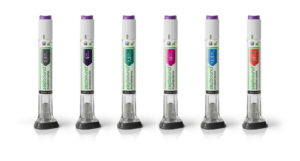 Weight Loss
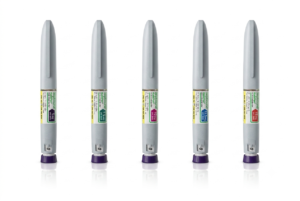 Weight Loss
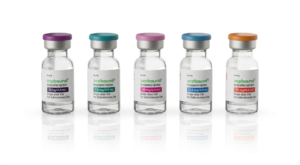 Weight Loss
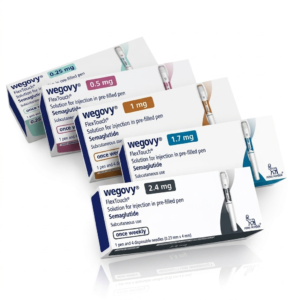 Weight Loss
 Injectable Non-Insulins
 Oral Medications
 Injectable Non-Insulins