
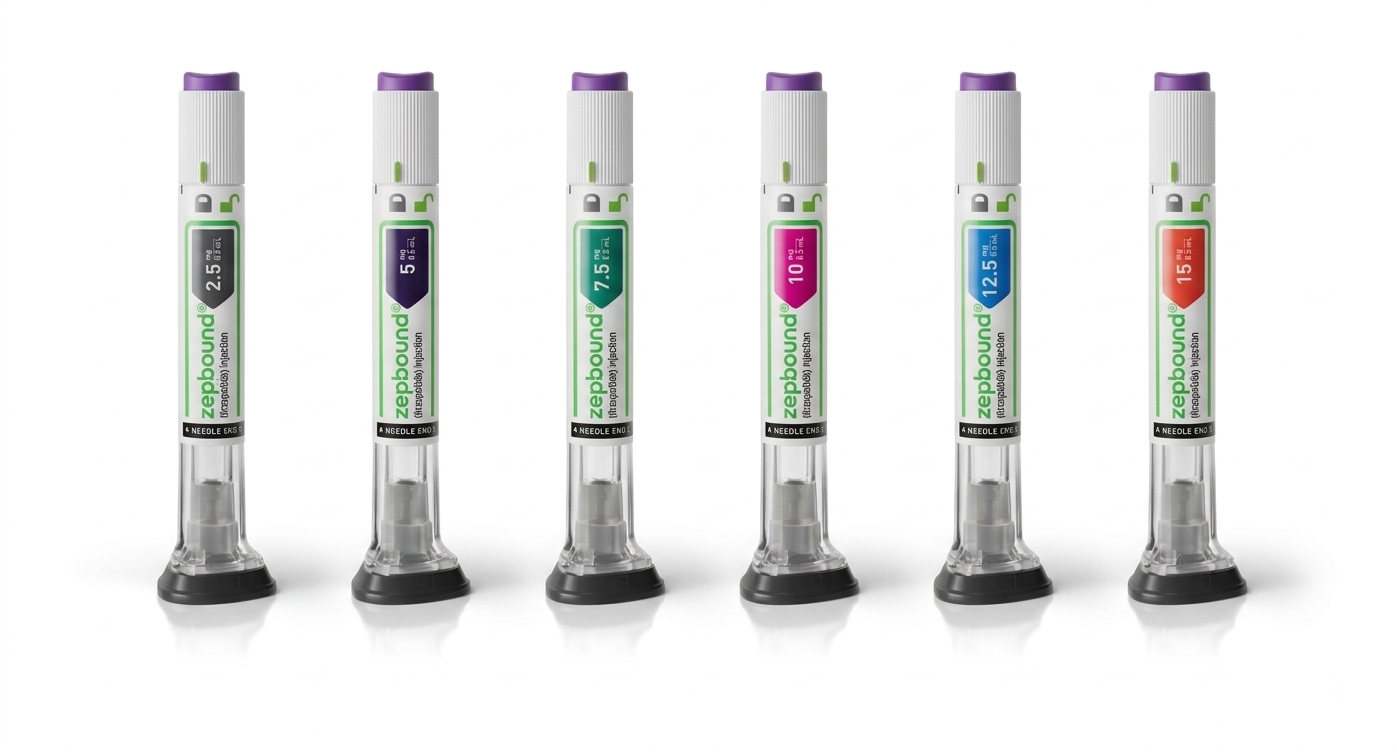
Transform your long-term health and weight management strategy with Zepbound® (tirzepatide), an advanced prescription injectable medication designed for adults. Zepbound is specifically indicated for chronic weight management in individuals with a body mass index (BMI) of 30 or greater (obesity), or 27 or greater (overweight) when accompanied by at least one weight-related medical condition such as high blood pressure, type 2 diabetes, high cholesterol, or obstructive sleep apnea.
As a breakthrough, first-in-class dual GIP (glucose-dependent insulinotropic polypeptide) and GLP-1 (glucagon-like peptide-1) receptor agonist, Zepbound mimics two natural metabolic hormones to activate your body’s satiety centers. By targeting these dual pathways in the brain, it substantially decreases overall appetite, eliminates intense food cravings (“food noise”), and slows down digestion. When combined with a reduced-calorie diet and increased physical activity, Zepbound is clinically proven to help achieve and maintain exceptional weight reduction.
Key Features & Benefits
-
Dual-Agonist Biological Power: Actively triggers both GIP and GLP-1 hormone pathways simultaneously, offering superior weight reduction and metabolic improvements compared to single-hormone alternatives.
-
Substantial, Proven Weight Loss: Clinically validated to deliver highly significant, long-term body weight reduction when integrated with lifestyle changes.
-
Once-Weekly Injection Routine: Streamlines your schedule with a single weekly dose administered on the same day each week, at any time of day, completely independent of meals.
-
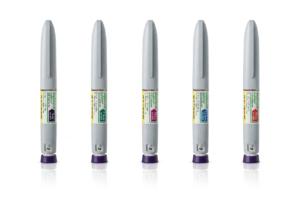
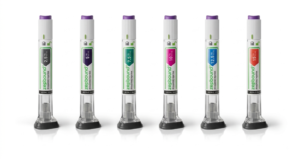
Comprehensive Titration Spectrum: Available in six distinct strengths, allowing healthcare providers to precisely scale dosage monthly to match your body’s adaptation curve.
The Full Dosing & Titration Matrix
Zepbound is most commonly distributed in boxes containing 4 single-dose prefilled auto-injector pens (a 4-week supply). The pen features a hidden needle that inserts and retracts automatically, requiring no manual needle handling.
| Pen Strength | Volume Concentration | Clinical Dosing Phase | Package Profile |
| 2.5 mg / 0.5 mL | 2.5 mg per half-milliliter | Introductory Starter Phase (Month 1) | 4 Prefilled Pens (1 Box) |
| 5.0 mg / 0.5 mL | 5.0 mg per half-milliliter | First Maintenance Tier (Month 2+) | 4 Prefilled Pens (1 Box) |
| 7.5 mg / 0.5 mL | 7.5 mg per half-milliliter | Intermediate Titration Tier | 4 Prefilled Pens (1 Box) |
| 10.0 mg / 0.5 mL | 10.0 mg per half-milliliter | Moderate Maintenance Tier | 4 Prefilled Pens (1 Box) |
| 12.5 mg / 0.5 mL | 12.5 mg per half-milliliter | Advanced Titration Tier | 4 Prefilled Pens (1 Box) |
| 15.0 mg / 0.5 mL | 15.0 mg per half-milliliter | Maximum Therapeutic Maintenance Tier | 4 Prefilled Pens (1 Box) |
Administration & Storage Instructions
-
Route: Subcutaneous injection only. Inject once weekly into the abdomen, thigh, or upper arm. Ensure you rotate your exact injection spot with every weekly dose, and never inject into a vein or muscle.
-
Unopened Pens: Store inside your refrigerator between 36°F–46°F (2°C–8°C) until the printed expiration date. Do not freeze. Do not use if the pen has been frozen.
-
In-Use / Room Temperature Storage: If traveling or necessary, individual Zepbound pens can be kept at room temperature up to 86°F (30°C) for up to 21 days. Keep the pens inside their original cardboard box to shield them from direct sunlight. Discard the single-use pen safely immediately after your injection.
Important Safety & Prescription Notice: Prescription Required (Rx Only). Zepbound® carries a boxed warning regarding the potential risk of thyroid C-cell tumors. Do not use if you or anyone in your family has a history of medullary thyroid carcinoma (MTC) or Multiple Endocrine Neoplasia syndrome type 2 (MEN 2). Zepbound contains tirzepatide, the same active ingredient found in the diabetes treatment Mounjaro®, and must not be used concurrently with it or any other GLP-1 receptor agonist medications. The most common side effects are gastrointestinal, including nausea, diarrhea, vomiting, constipation, abdominal pain, and indigestion. Serious but rare risks include acute pancreatitis, gallbladder disease, and severe dehydration. Dosing adjustments must be strictly managed under medical supervision.
Reviews
There are no reviews yet.